Building Organisational Resilience Through Strategic Executive Leadership
Executive leadership has become increasingly complex as organisations face rapid technological change, evolving regulations, and heightened stakeholder expectations. Successful executives understand that long-term performance depends on integrating strategic risk management with meaningful stakeholder engagement. Together, these leadership disciplines strengthen governance, improve decision-making, and support sustainable business growth.
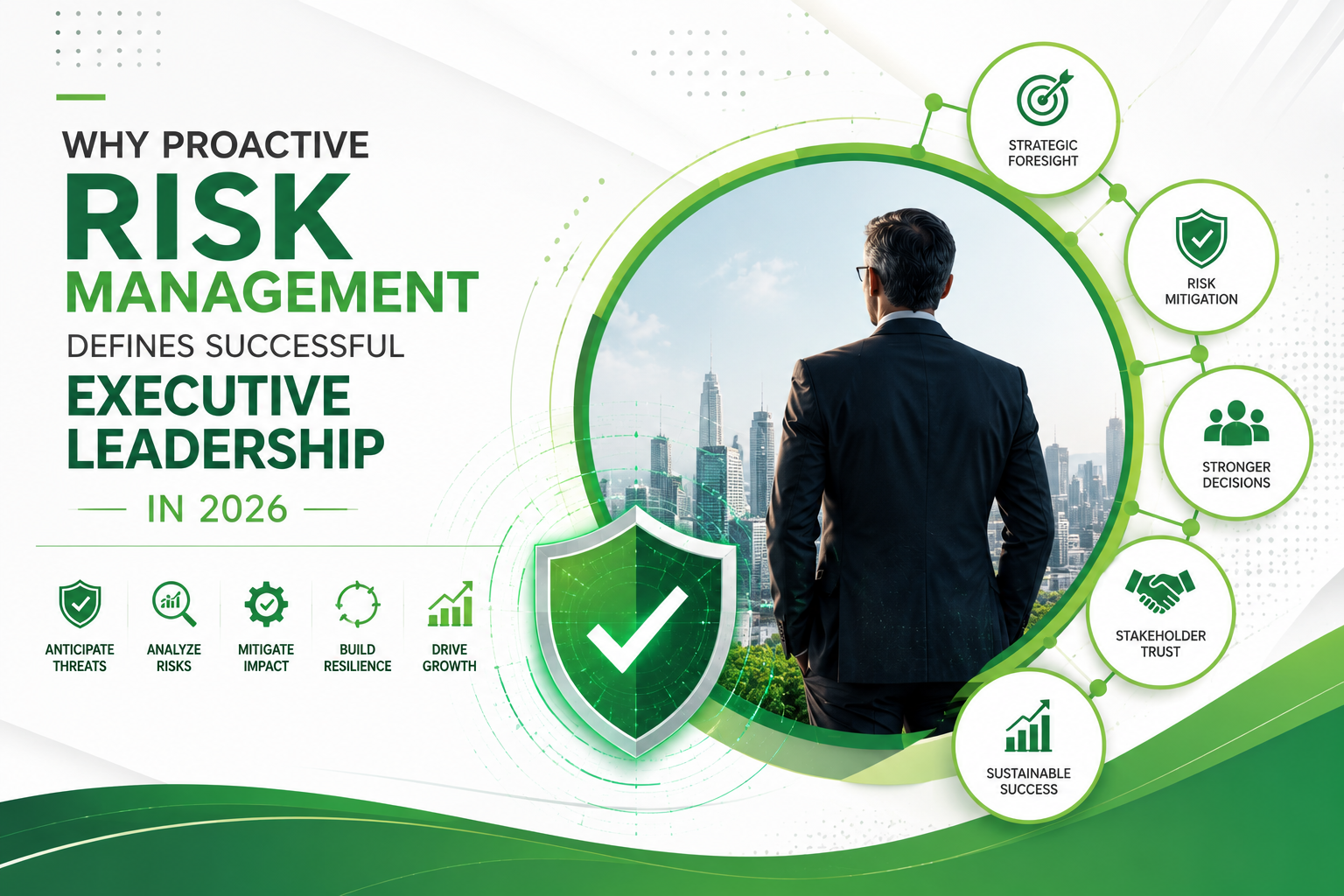
Modern businesses operate in environments where uncertainty is constant. Cybersecurity threats, economic fluctuations, workforce challenges, environmental considerations, and supply chain disruptions all require proactive executive oversight. Rather than responding after problems emerge, leadership teams now incorporate enterprise risk management into strategic planning processes.
This forward-thinking approach enables organisations to evaluate potential threats while identifying opportunities for innovation and growth. Executive leaders who understand organisational risk can allocate resources more effectively, improve operational efficiency, and maintain business continuity during periods of uncertainty.
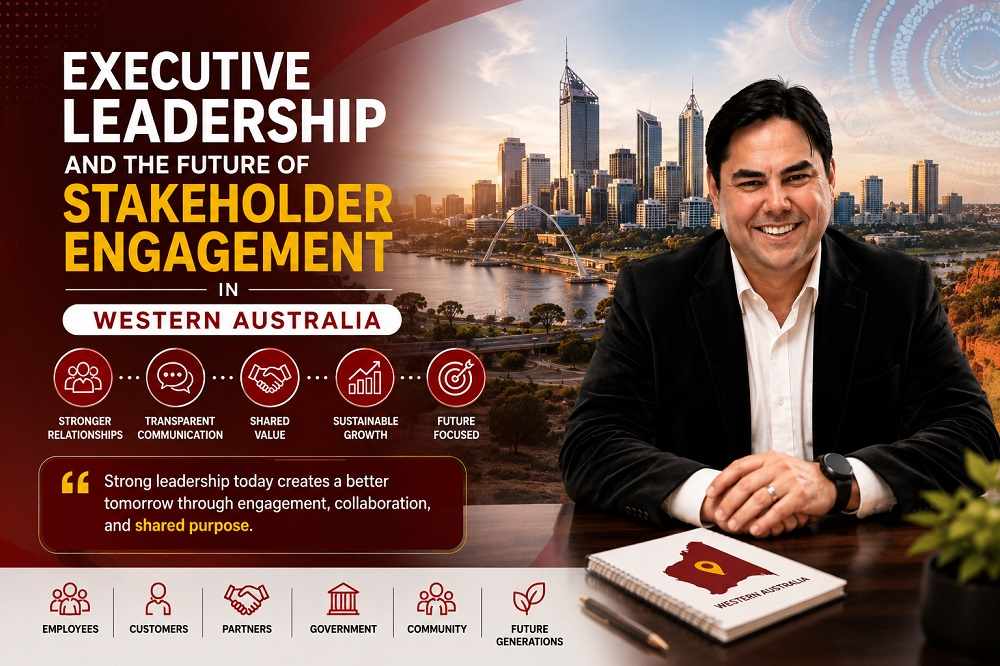
Stakeholder engagement complements strategic risk management by providing valuable insights into changing expectations. Employees, investors, customers, suppliers, regulators, and local communities each contribute perspectives that influence business decisions. Maintaining open communication with these groups helps organisations identify concerns early and respond appropriately.
Meaningful engagement also strengthens organisational trust. Transparent communication demonstrates accountability while reinforcing confidence among stakeholders. Organisations with strong stakeholder relationships often experience greater collaboration, improved reputation, and enhanced resilience during challenging economic conditions.
Technology continues transforming executive leadership responsibilities. Artificial intelligence, cloud-based systems, automation, and digital analytics offer significant operational benefits but also introduce new governance requirements. Executive teams must ensure digital innovation is supported by cybersecurity frameworks, privacy protections, and responsible data management practices.
Corporate governance remains central to effective executive leadership. Boards and executive teams increasingly expect risk management and stakeholder engagement to support strategic objectives rather than operate independently. This integrated approach enables better oversight while encouraging informed decision-making across all organisational levels.
Perth's growing mining, infrastructure, renewable energy, healthcare, and technology sectors require executives capable of balancing innovation with responsible governance. Leaders who understand commercial strategy alongside enterprise risk management are better equipped to guide organisations through changing market conditions.
Strategic leadership also encourages organisational adaptability. Businesses that continuously monitor risks, evaluate stakeholder expectations, and review governance frameworks are more capable of responding to emerging opportunities. This flexibility supports long-term competitiveness while reducing exposure to unexpected disruptions.
As executive leadership continues evolving, organisations increasingly recognise that sustainable success depends on preparation, collaboration, and accountability. Integrating strategic risk management with stakeholder engagement creates stronger governance frameworks, improves operational resilience, and enhances organisational performance. Businesses adopting this leadership model are better positioned to create lasting value for shareholders, employees, customers, and communities while maintaining confidence in an increasingly complex global economy.




Write a comment ...